
By Alex Contreras
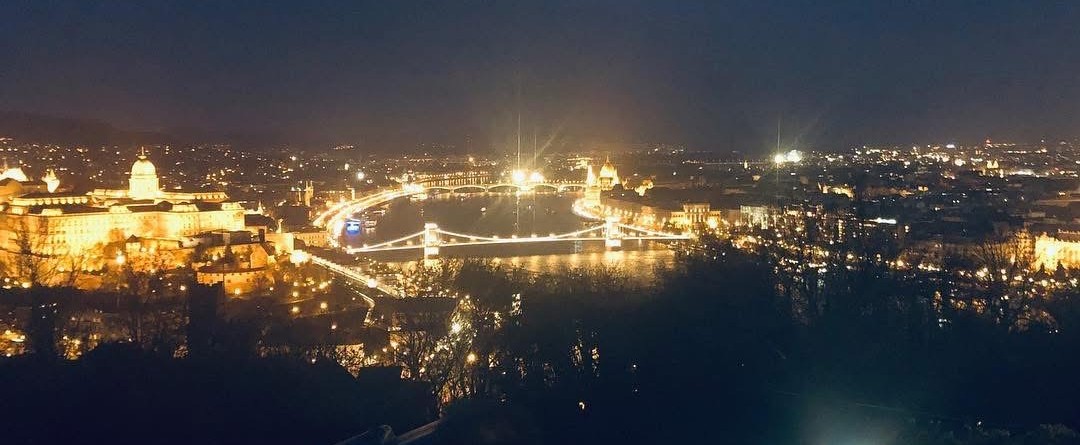
Budapest has risen as a filming location in recent years, bringing filmmakers here for its architecture and rich history. From the Castle District to the sight of the Hungarian Parliament building, the city lets movies be set up in several locations around the world. Combined with studios like Korda Studios and offering financial advantages, Hungary has become quite the hotspot for film productions, making it an outstanding location in the global film industry.
Budapest can turn itself into other cities, making it a perfect location for filmmakers looking for settings. In Tinker Tailor Soldier Spy, the city is shown as Cold War-era London and Istanbul, having a gritty look. Budapest’s architecture goes from Gothic to Soviet era styles, giving filmmakers many choices for storytelling. Other movies have used this to their advantage, such as Blade Runner 2049, which used the city’s brutalist buildings to create a dystopian future, and Red Sparrow used the Soviet style of buildings to create an espionage world. Director Denis Villeneuve, who filmed Blade Runner 2049 in Budapest, praised this adaptability, saying, “Budapest’s architecture is incredibly diverse, allowing us to create a futuristic world that felt both familiar and otherworldly. The city’s ability to transform into different settings is unmatched.”

The Hungarian Parliament building was used as the Casa Rosada in Buenos Aires for Evita. The Chain Bridge was a backdrop for the action movie Spy. Whether standing in for Paris, Berlin, or Buenos Aires, Budapest has proven to the film industry that it can be used as multiple places.
Just outside Budapest are the Korda Studios. This studio has some of the largest sound stages in Europe. Movies like The Martian were filmed there and used its studios to create the surface of Mars, while Blade Runner 2049 used its studio set designs. The studio has pre-built sets like a medieval village, a New York street, and a Renaissance backlot. Director Ridley Scott, who filmed The Martian at these Studios, loved the facilities and the local crew, saying, “Budapest is a beautiful city with a rich history, and Korda Studios provided us with the perfect environment to bring our vision to life. The facilities are top-notch, and the local crew was incredibly professional and skilled.” Even the actor Matt Damon, who was in The Martian, said, “Filming in Budapest was a fantastic experience. The city is stunning, and the people are so welcoming. Korda Studios is one of the best I’ve worked in, with state-of-the-art technology and a team that really knows their stuff.”

Hungary’s rise as a filmmaking destination isn’t just about its locations and studios. Hungary gives a 30% tax rebate on production costs, lowering the financial cost for studios. This is supported by the Hungarian government and the National Film Institute, as well as giving permits to shoot on locations like the parliament and other places. Andy Vajna, a Hungarian producer and former government commissioner for the film industry, said the impact of these financial benefits, stating, “Hungary’s 30% tax rebate is a game-changer for international productions. It significantly reduces costs while providing access to world-class facilities and talent.”
Filming in Hungary has a large economic impact. Filming creates jobs, boosts tourism, and supports local businesses, like hotels. Csaba Káel, the government commissioner for the development of the Hungarian film industry, said, “The film industry has become a vital part of Hungary’s economy, creating thousands of jobs and boosting tourism. It’s a win-win situation for both filmmakers and the country.”
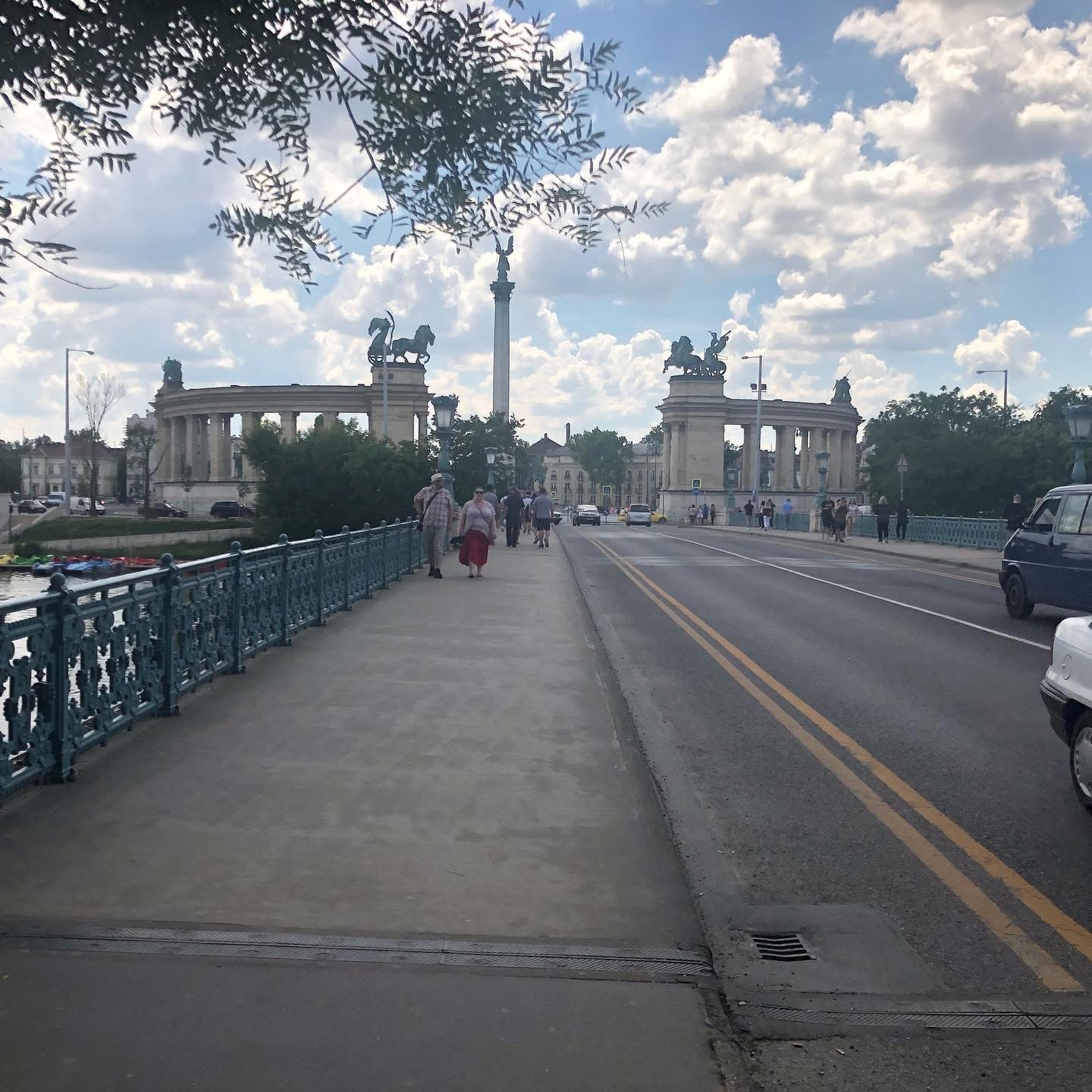
Hungary has created a unique place in the global film industry. It’s pretty and adaptable filming locations, enhanced by buildings like the Parliament and Buda Castle, have brought many movies to life. Korda Studios brings to the appeal with its studios, while financial benefits and a talented workforce seal the deal for movies. As Hungary continues to make big-budget films, who knows what we will see next?
Photos by Krisztina Géczi & Robert Smyth

![processed-D151C990-3DD5-4D5B-A05D-35D77C76EDCE[80] másolat](https://mcdaniel.hu/wp-content/uploads/2025/12/processed-D151C990-3DD5-4D5B-A05D-35D77C76EDCE80-másolat-504x224.jpg)
![original-C55BC7F3-B4BE-483A-86FA-218C480AA0AC[8] másolat](https://mcdaniel.hu/wp-content/uploads/2025/12/original-C55BC7F3-B4BE-483A-86FA-218C480AA0AC8-másolat-504x224.jpg)