By Viktoria Kiss
Each second year in New Brunswick, Canada, members of the Hungarian American community gather for a cultural event: the Hungarian Scout Ball, organized by the Hungarian Scout Association. The ball serves as both a formal social event where Hungarian traditions are practiced and celebrated, and a meaningful fundraiser supporting Hungarian scouting programs across North America.
The Hungarian Scout Association was founded after World War II by Hungarian refugees who sought to preserve their language, traditions, and identity while living abroad. Today, the organization works with scout troops throughout the United States and Canada, focusing not only on outdoor skills but also on cultural education, folk traditions, and leadership development. The ball plays a key role in sustaining those efforts.
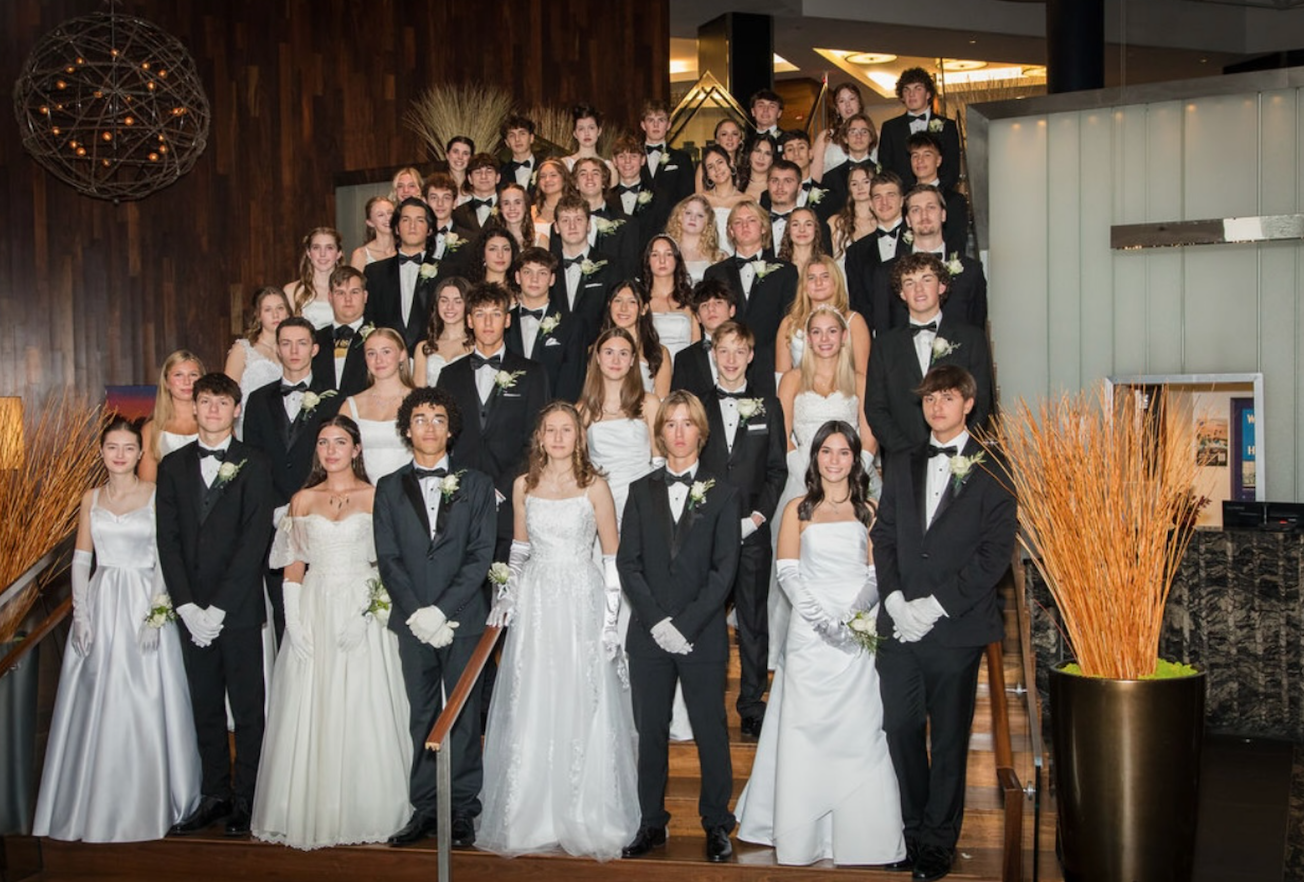
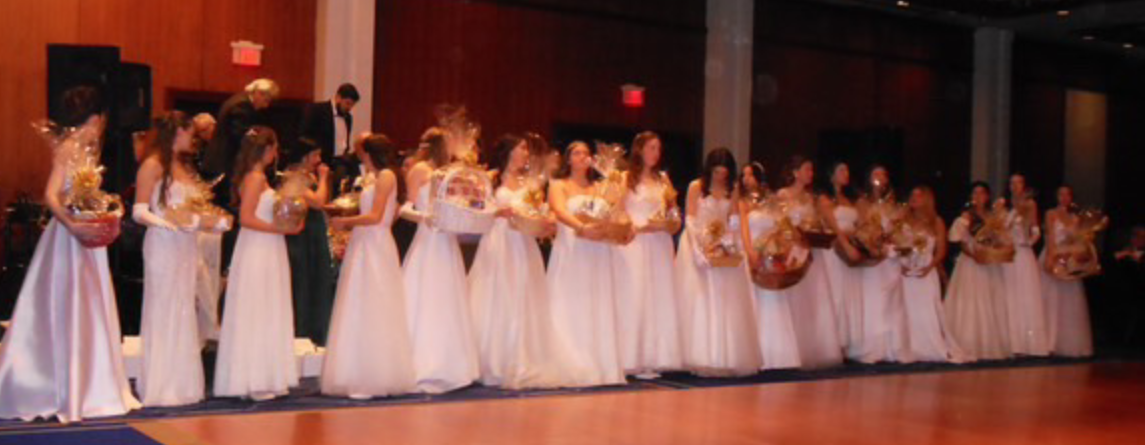
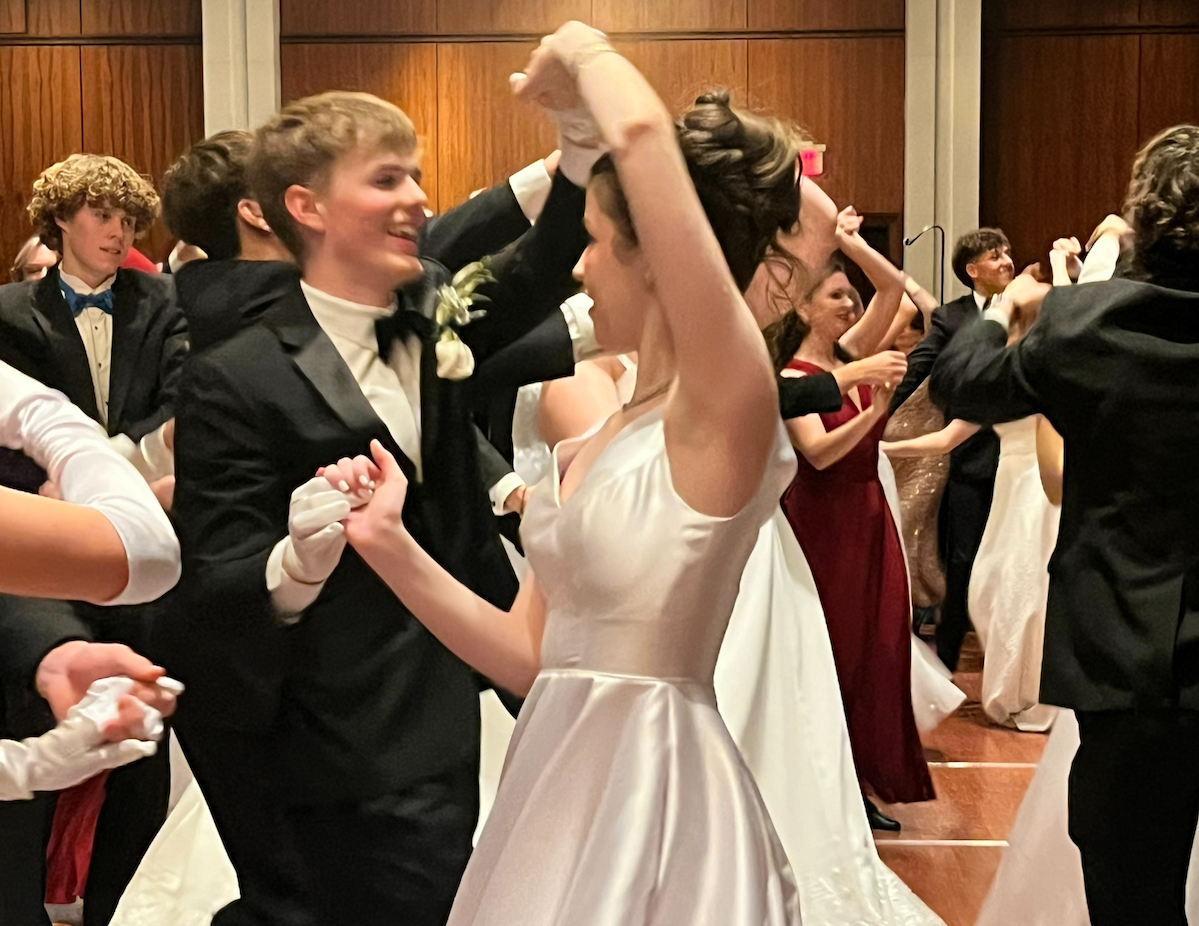
At the center of the evening is the welcoming of debutantes. Young women, often active within the scouting community, are formally introduced to society in a tradition rooted in European customs. Accompanied by escorts, they perform rehearsed dances, most notably the palotás, a 19th-century Hungarian court dance that has become a defining feature of the event. The choreography reflects elegance and discipline, symbolizing both cultural continuity and the transition into adulthood.
Beyond the debutante initiation, the program usually includes a formal dinner, live music, and open dancing. Traditional Hungarian melodies often blend with classical ballroom selections, reflecting the dual identity of the community: rooted in Hungarian heritage while shaped by American life. “Reconnecting with old friends from Hungarian school makes the experience even more meaningful for many attendees. Seeing everyone dance with tradition sometimes without even realizing it creates a beautiful sense of community that is impossible to ignore,” said Julius Hendricks, a participant. Guests range from local supporters to attendees traveling from other states, demonstrating the ball’s wider regional significance.
Financially, the event serves an important role for scout camps, educational programming, leadership training, and the publication of Hungarian-language materials used within scouting circles. Maintaining heritage abroad requires consistent effort and funding, and the ball provides both community visibility and practical support for those initiatives.
The choice of New Brunswick as host city is also notable. The area has long been home to a strong Hungarian American presence, with churches, cultural organizations, and community centers forming an established network. Holding the ball there reinforces the region’s historical connection to Hungarian immigration and settlement in the United States.
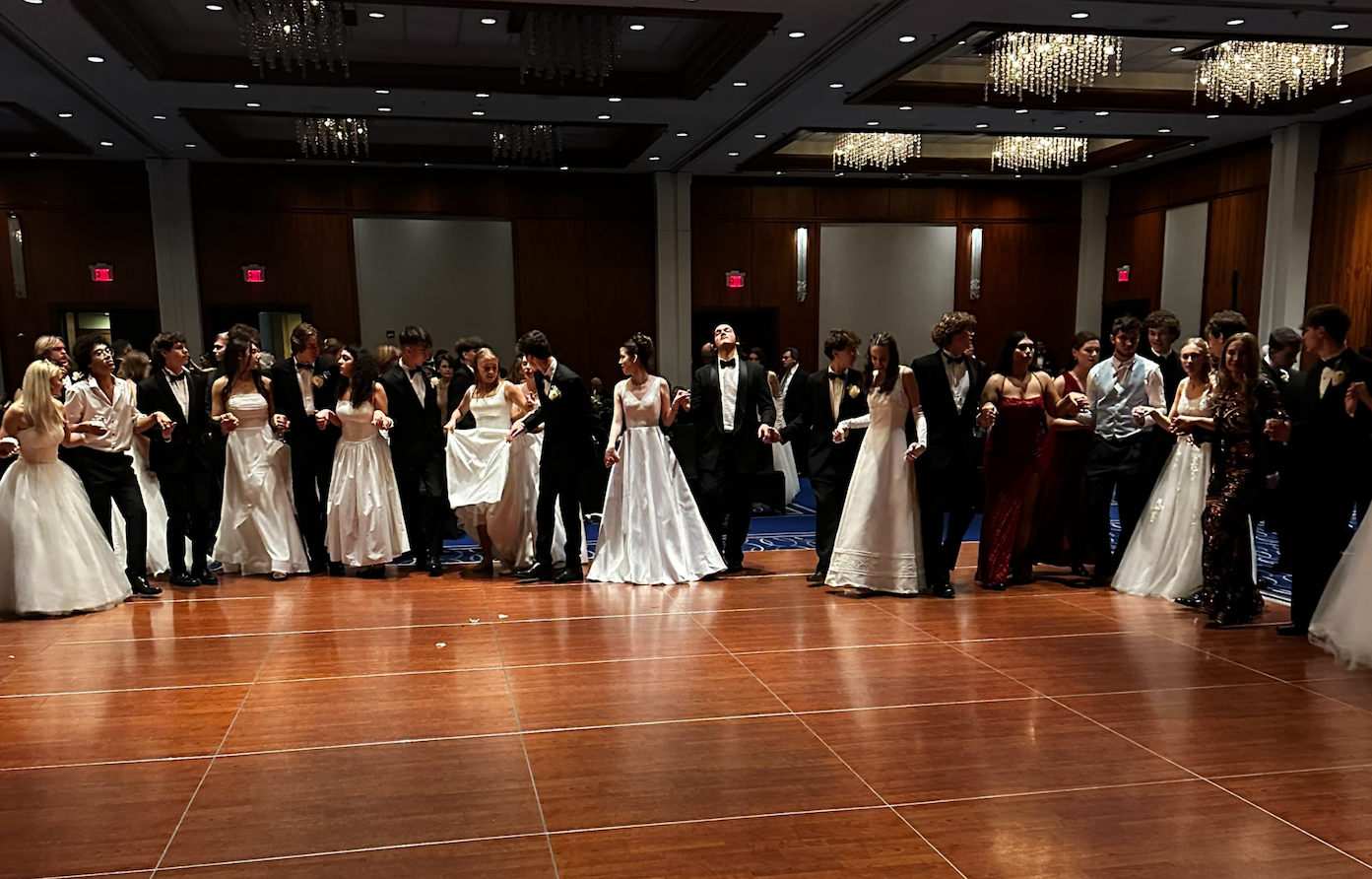
While the evening is defined by formal attire and structured tradition, its broader significance lies in preservation. Culture survives not only through memory but through events, institutions, and shared experiences that keep language, music, and customs active rather than symbolic. The Hungarian Scout Ball fulfills that role by creating a setting where heritage is not only displayed but practiced.
In this sense, the ball represents more than elegance or ceremony. It reflects a community’s long-standing commitment to identity, education, and intergenerational connection. Through dance, fundraising, and shared celebration, the New Brunswick Hungarian Scout Ball continues to sustain a tradition that extends far beyond a single evening.
Photos by Viktoria Kiss