
By Alexa Bandura
An internship, some travel, and a surprisingly eye-opening learning experience, all in one. Through a youth mobility project in Georgia, I myself got to explore how CO2 emissions can be reduced in a more efficient and productive way, using an interactive simulator through collaborative activities.
It actually started with a message from the McDaniel College Budapest administration presenting an opportunity provided by the Proteus Foundation to join an internship in Georgia.
So, what was this training I was part of about?
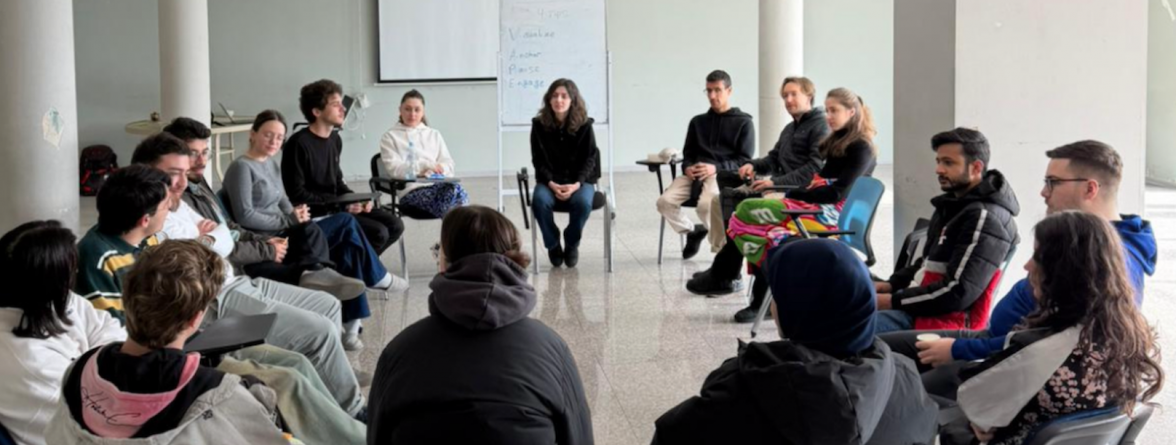
It was an Erasmus+ “Training for Trainers” program focused on environmental education. The project, called Environer, aimed to equip youth workers with digital tools for teaching sustainability in more engaging ways. It took place between 24 and 28 March in Bakuriani, Georgia.
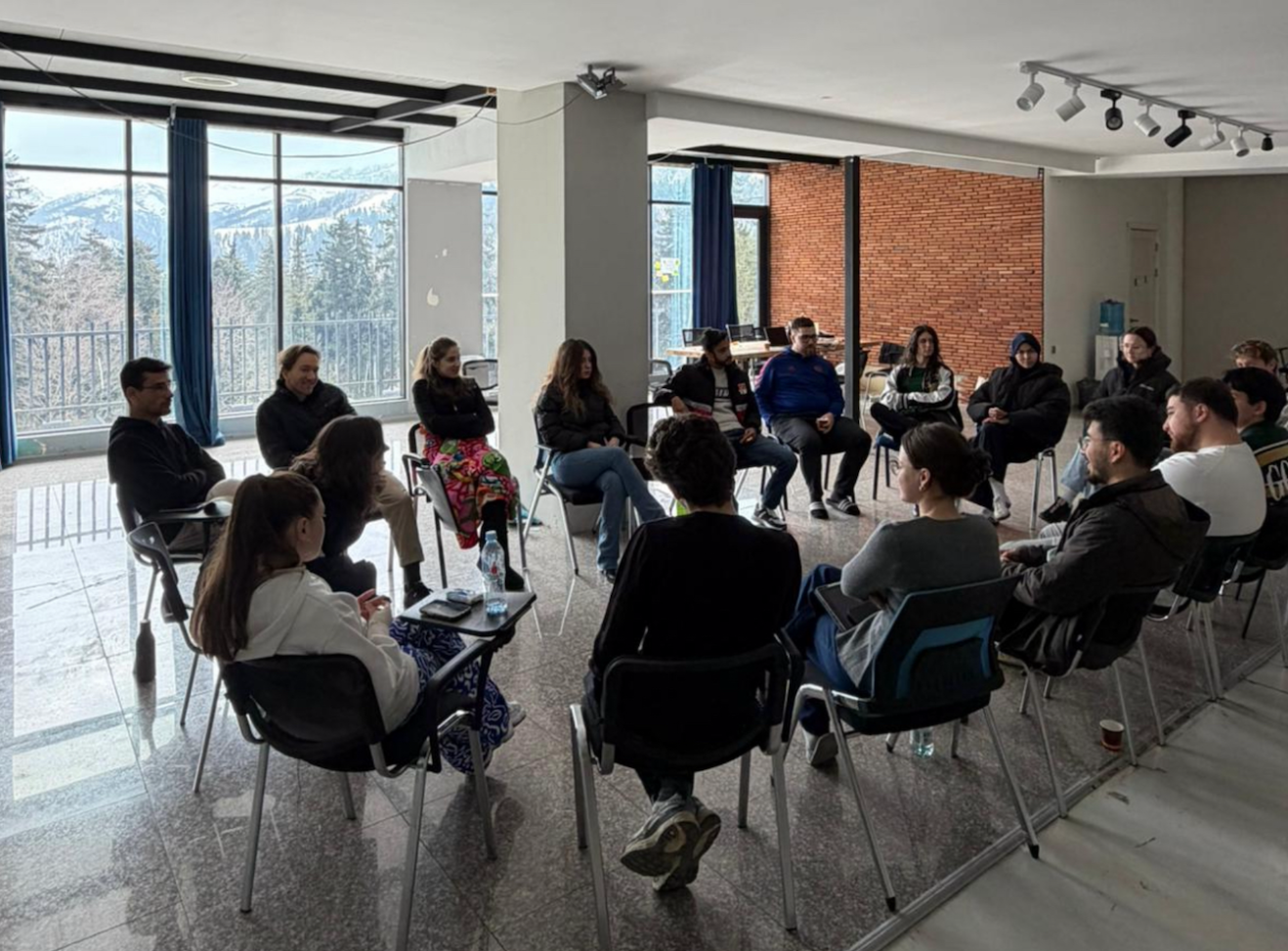
Around 20 of us participants joined from Slovenia, Georgia, and Hungary (our team members were also from Pakistan and Tunisia), while we also connected with people from Italy and Malta during our stay. A big part of the program was learning how to use the En-ROADS simulator, which shows how different decisions can influence global emissions over time.
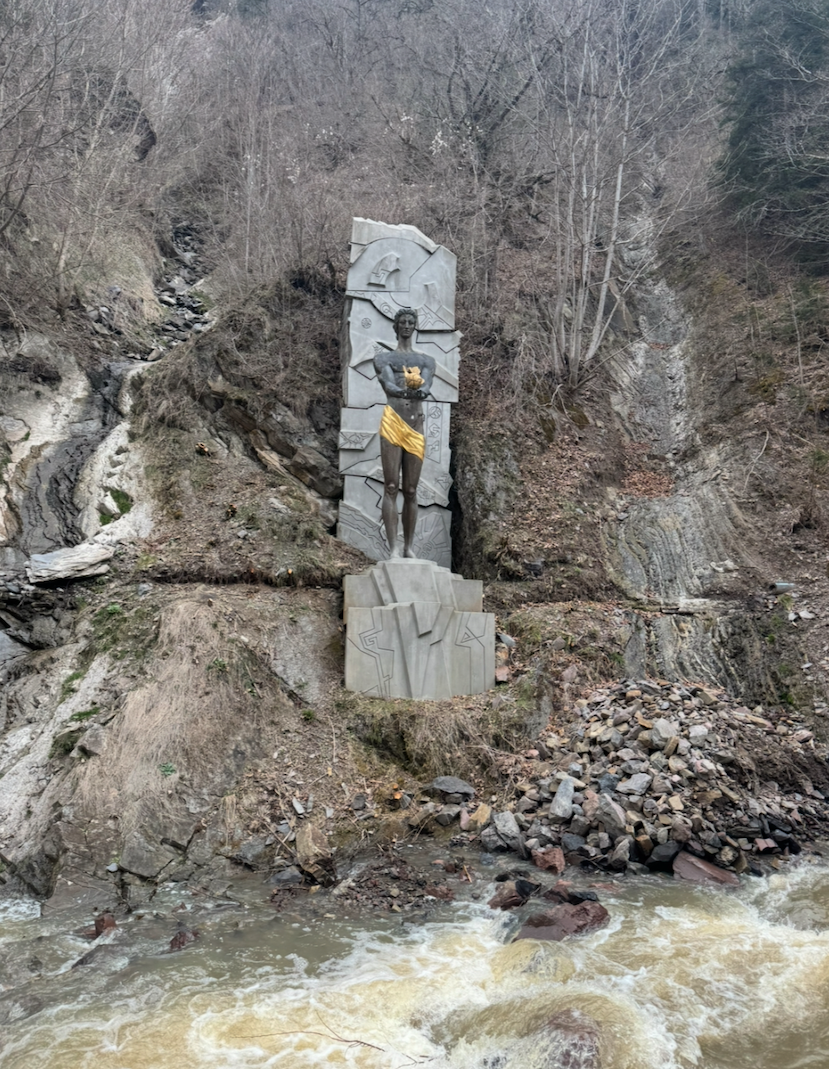
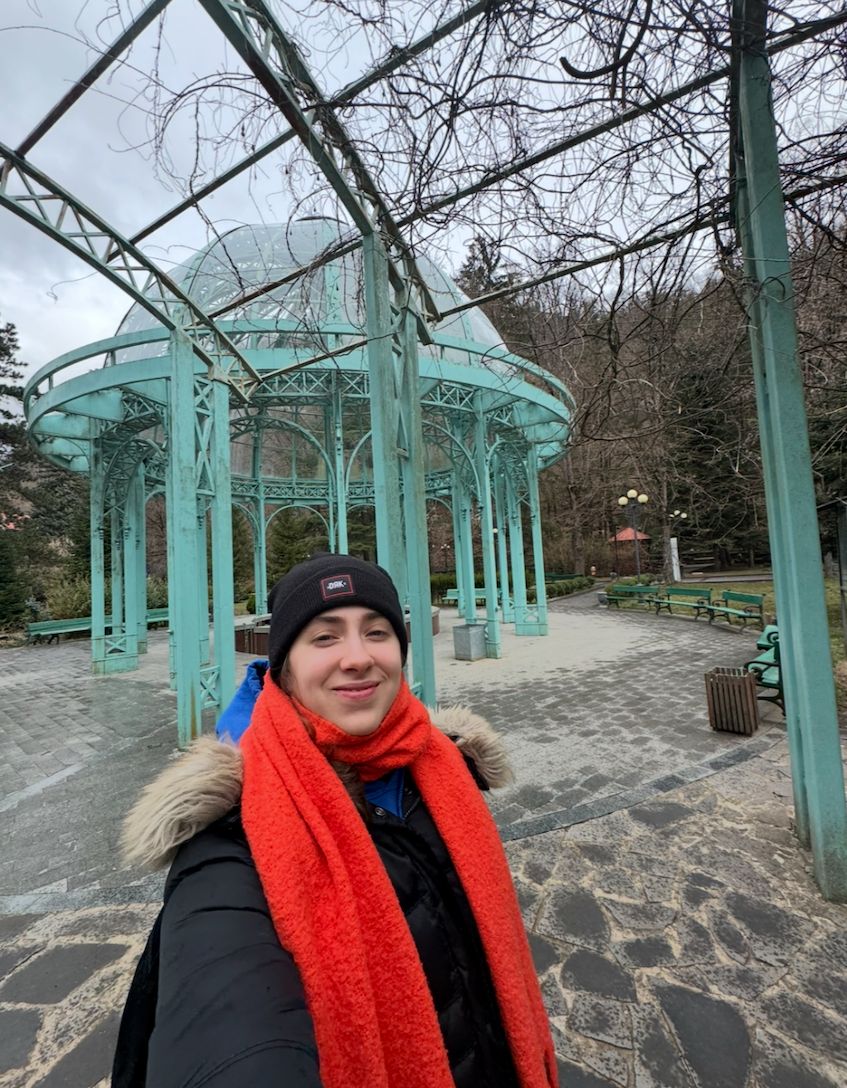
Interestingly, the experience went far beyond just learning a tool. We worked in teams, took part in interactive sessions, and even explored how AI can connect to environmental topics. There was also space to experience the local culture, whether through conversations, shared activities, or exploring Borjomi’s thermal bath and natural mineral water that has historically cured multiple illnesses. One of the highlights was a hike in the mountains, along with tasting the typical food such as khinkali, khachapuri, and phali.
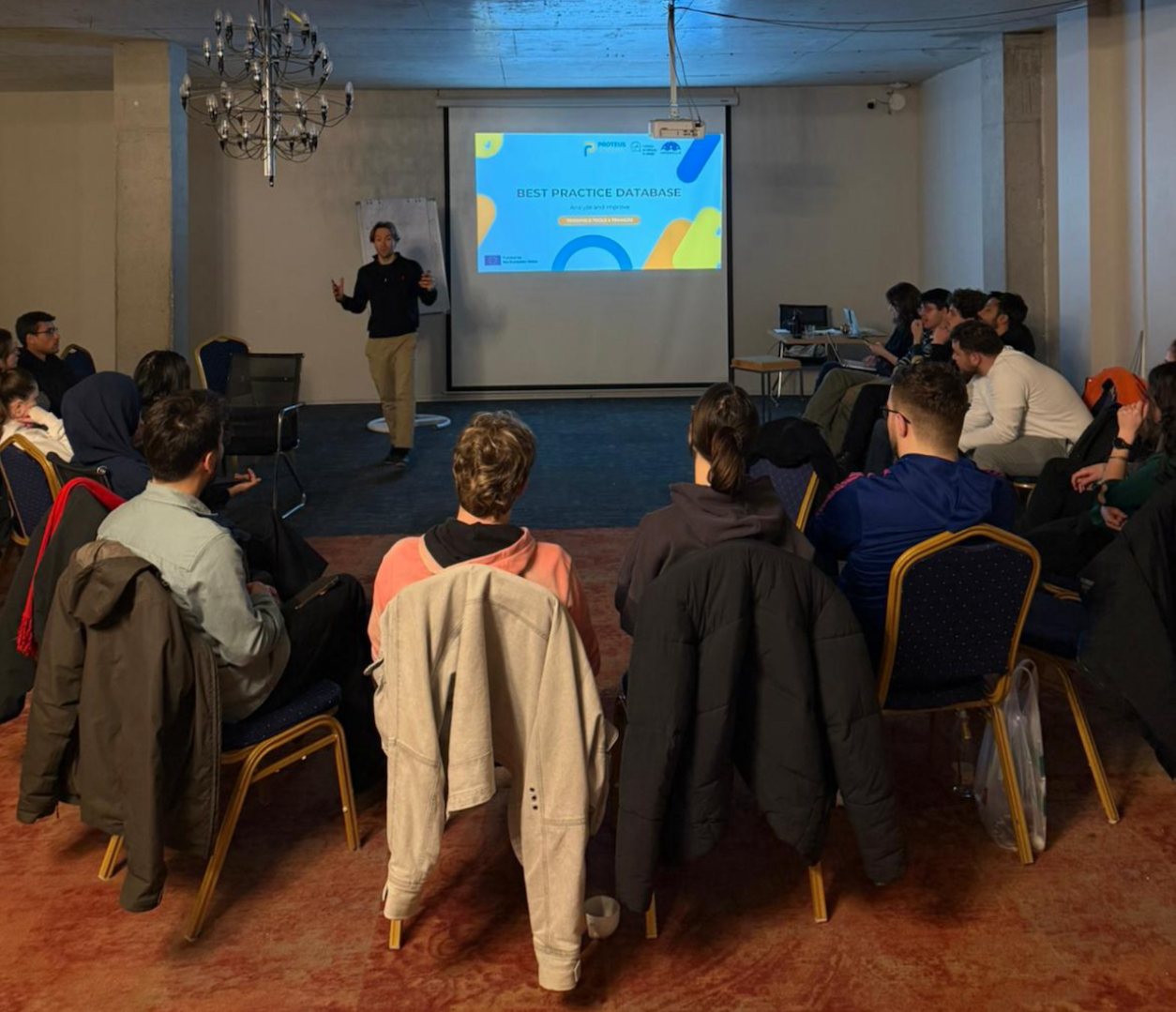
The internship did not stop there! Viktor Jósa (Co-Founder of Proteus and former alum of McDaniel College) and I brought the knowledge into the room. Quite literally, we brought the simulator, a presentation, and interactive scenarios where the students of the Environmental Problem-Solving class taught by Professor Cox could explore the topic and come up with excellent ideas and solutions.
Thanks to whom did the event take place?
The project was organized through the cooperation of Umbrella Youth Organization (Georgia), IZO Institute (Slovenia), and the Proteus Foundation (Hungary). Their focus is on developing practical thinking around environmental challenges and sustainability. Furthermore, thanks to the full funding of the project by the European Union’s Erasmus+ program and support from the Hungarian National Agency, this could not have happened.
Looking for similar experiences?
It’s worth checking your McDaniel email regularly. You can also look into the Proteus Foundation’s work or browse Erasmus+ programs to see what upcoming projects you can apply for.
Can anyone join?
These projects are open to a wide range of people, including students, volunteers, educators, and anyone interested in working with young people and engaging with topics like sustainability and climate change, and many more.
Takeaway
The biggest realization for me was that progress is possible, but only if we understand which actions actually make a difference. Tools like En-ROADS help make that clearer by showing the real impact of decisions.
I enjoyed the experience so much that I’ve already signed up for another program in July, this time in Slovakia. If something like this comes up, I’d definitely recommend giving such detoxing and inspiring projects that call to action a try.
Photos by Alexa Bandura and Tomaz Gorenc